TCCFUI
  • Home
  • About
    • What is TCCFUI?
    • What We Do
    • Board Members
    • Member Cities
  • Resources
    • Learning Opportunities
    • Municipal Fee FAQ
    • For Members
    • Bylaws & Sample Resolution
    • Useful Links
    • Regulatory Glossary
    • RTO Fact Sheet
    • Legislative Action
    • Broadband Info
      • Broadband Glossary
      • BEAD Program FAQ
      • BDO Resources
  • Annual Seminars
    • 2026 Conference Info
    • 2026 Conference Materials (Password Protected)
    • 2025 Conference Materials (Password Protected)
  • Blog
  • Contact Us
Select Page
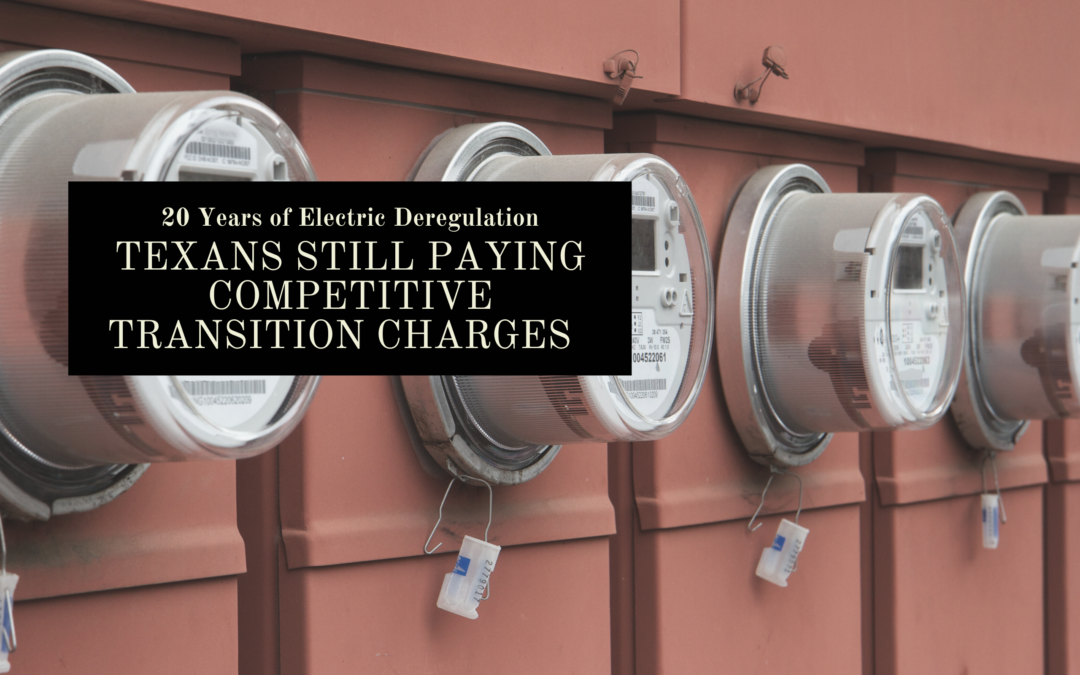
Blog: Nearly 20 Years Later, Texans Still Pay Deregulation Charges

Blog: Nearly 20 Years Later, Texans Still Pay Deregulation Charges

by TCCFUI | Aug 10, 2020 | Blog, Electricity, Rates and Service

Cumulatively, the charges have totaled more than $6.6 billion. Utility customers — be they home users or businesses — have had them included in their transmission and distribution rates for years. ________________________________________________ Hundreds of thousands...

BLOG: Will Mexico Developments Undercut Authority over ERCOT?

by TCCFUI | Dec 1, 2017 | Blog, ERCOT

ERCOT is an island unto itself — that is, unless the Federal Energy Regulatory Commission takes over. And that at least remote possibility has captured the attention of the state’s top utility regulator. “I’m very, very concerned about it,” said Public Utility...
Why TCCFUI

TCCFUI is comprehensively focused on utility issues for Texas cities! With its volunteer board of city representatives, we work with other state and local organizations to fill unserved city needs.

Recent Blog Posts

  • Concerns Raised over Flood of Rate Cases, Electric Affordability at Texas Legislative Hearing
  • News Round-Up: September 2026
  • Texas PUC Adopts Less Stringent Interconnection Rules for Large Loads like AI Data Centers
  • Feds Predict Record Demand Growth, with Region Including Texas Leading the Way
  • Join TCCFUI Oct. 15-16 in Houston for its Annual Informational Seminar